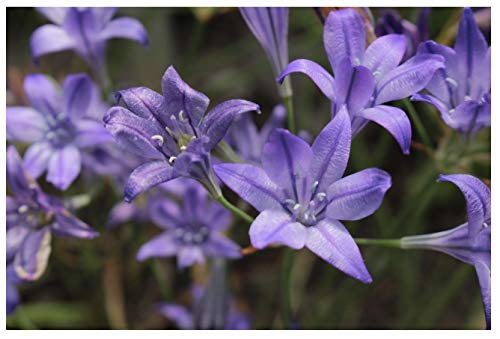
common mistakes gardeners make with freesia flower bulbs
Freesia flowers are a delightful addition to any garden, known for their fragrant blooms and vibrant colours. Unfortunately, many gardeners encounter pitfalls when growing these stunning flowers from bulbs. In this article, we will explore the common mistakes gardeners make with freesia flower bulbs and provide practical advice to ensure your garden flourishes.
Choosing the Wrong Bulbs
One of the most common mistakes is selecting bulbs that are not healthy. Always choose firm, plump bulbs without signs of mould or soft spots. Check for any damage such as bruises or cuts. Purchasing bulbs from reputable suppliers can help ensure quality. Also, keep in mind that fresias are available in various varieties, so select ones that are suitable for your climate and garden conditions.
Improper Planting Depth
Another frequent error is planting freesia bulbs at the wrong depth. Ideally, bulbs should be planted about 5-7 cm deep. If planted too shallow, they may be exposed to the elements and fail to thrive. Conversely, planting them too deep can hinder their growth as they struggle to break through the soil surface. A good rule of thumb is to plant them three times as deep as the bulb's height.
People Also Look For:
- DIVCHI 10L Potting Soil Multi-Purpose Compost Soil – Organic Enriched with Nutrients Rich Compost Mix for Potting Growing G...
- Berry&Bird Stainless Steel Bulb Planter with 4in/10cm Depth Mark, Ergonomic Short Wooden Handle Gardening Tool for Planting Tulips...
- GloBrite Mini Hose Pipe Reel with 10M / 32 Feet Hosepipes | Garden Hose with Adjustable 7 in 1 Spray Nozzle, Wall Mount Accessorie...
- simpa Plastic Trough Garden Planter Pots 55cm Length - GREY, Set of 2 Pots - Suitable for Indoor or Outdoor Use with DIY Drainage ...
- Full Range of Indoor/Outdoor Liquid Plant Fertilizers Xpert Nutrients | 250ml Packs for Rapid Growth and Explosive Flowering (BLOO...
Ignoring Soil Quality
The quality of the soil plays a crucial role in the health of your freesia bulbs. They prefer well-draining soil rich in organic matter. A common mistake is planting them in heavy clay soils that retain too much moisture, leading to bulb rot. To improve drainage, consider amending your soil with compost or well-rotted manure. A pH level around 6 to 7 is ideal for these bulbs, so testing your soil beforehand can make a significant difference.
Inadequate Watering
Watering is essential for the growth of freesia bulbs, but it's easy to overwater or underwater them. A common misconception is that they require constant moisture. While they do need regular watering, especially during their active growth phase, soggy soil can lead to bulb rot. Water them deeply but allow the top few inches of soil to dry out before the next watering. Once the foliage turns yellow after blooming, reduce watering significantly.
Planting at the Wrong Time
Timing is everything when it comes to planting freesia bulbs. Many gardeners mistakenly plant them too early in spring, risking frost damage. Ideally, you should wait until all danger of frost has passed and the soil has warmed up, typically around late spring. In cooler regions, consider starting bulbs indoors and transplanting them outside once the conditions are favourable.
Neglecting Light Requirements
Freesias thrive in full sun to partial shade. If they are planted in too much shade, their growth may become leggy, and flowering can be sparse. Be mindful of the location, ensuring that your freesia bulbs receive at least six hours of sunlight a day. If your garden is shaded by trees or structures, consider relocating them to a sunnier spot.
Failure to Provide Support
As freesia plants grow, they can become top-heavy, especially when in full bloom. A common oversight is not providing support for the stems. Using stakes or planting them near taller plants can help prevent them from flopping over. Additionally, ensuring they are spaced correctly will allow for good air circulation, further supporting their growth.
Overlooking Pest and Disease Management
Finally, many gardeners forget to monitor their freesia bulbs for pests and diseases. Aphids and fungal infections can pose significant threats. Keeping an eye on your plants and applying organic pest control methods can mitigate these risks. Regular inspections and ensuring good air flow around your plants will help maintain their health.