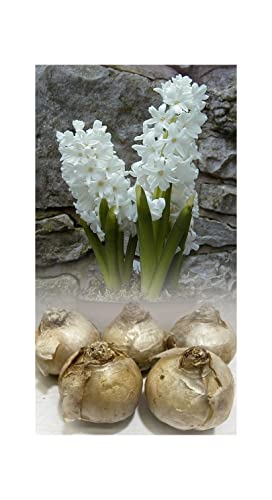
the complete care routine for thriving freesia flower bulbs
Freesias are a favourite among flower enthusiasts, known for their vibrant colours, delightful fragrance, and elegant shape. Proper care of freesia flower bulbs is essential to ensure they thrive and produce stunning blooms. This guide will provide you with a complete care routine that covers everything from planting to post-bloom care, helping you cultivate a stunning display of these beautiful flowers.
Choosing the Right Location
Freesias prefer full sun to partial shade, thriving in a location that receives at least six hours of sunlight each day. When selecting a spot, ensure the soil drains well, as freesia bulbs are susceptible to rot in soggy conditions. Consider planting them in a raised bed or a pot with drainage holes for optimal results.
Preparing the Soil
Before planting your freesia bulbs, it is vital to prepare the soil adequately. Freesias prefer slightly acidic to neutral soil, typically with a pH of around 6.0 to 7.0. Enhance the soil by incorporating organic matter such as compost or well-rotted manure. This will improve soil fertility, drainage, and moisture retention. Ensure the soil is loose and aerated, allowing the bulbs to establish a strong root system.
People Also Look For:
- Bosmere N327 Garden Care 6 cm Replacement Seed and Cutting Pots, Pack of 40, Terracotta
- Hydroponic Plant Pots for Indoor,3-hole Hyacinth Planter - Daffodil Bulb Garden Pot | for Apartment Office Teachers Seniors Beginn...
- 10x Freesia Double Blue Summer Flowering Bulbs Colourful Garden Plant Corms Wedding Fragrant Cut Flowers Size 5/6
- JCB - Professional Solid Forged Garden Fork - Lightweight Garden Digging Fork - Professional Metal Long Handle Heavy Duty Gardenin...
- Memorial Forget Me Not Seeds – Seed Envelopes with 1000 Seeds – Sentimental Forget Me Not Gifts – Blooming Bl...
Planting Freesia Bulbs
The best time to plant freesia bulbs is in early spring, just after the last frost. Plant the bulbs about 10 to 15 cm apart and at a depth of approximately 5 to 7 cm. Ensure the pointed end of the bulb faces upwards to facilitate proper growth. Water the bulbs lightly after planting, ensuring not to saturate the soil, as this can lead to rot.
Watering Your Freesias
Watering is a critical part of freesia bulb care. During the growing season, freesia plants require regular moisture, especially during dry spells. Water deeply but infrequently, allowing the top few inches of soil to dry out between watering. Be careful not to overwater, as excessive moisture can lead to bulb rot. During the dormant period after flowering, reduce watering significantly.
Fertilising Freesia Bulbs
To encourage robust growth and vibrant blooms, it is important to fertilise your freesia bulbs. Use a balanced, slow-release fertiliser or a high-phosphorus fertiliser specifically formulated for flowering plants. Apply fertiliser according to the manufacturer's instructions, typically every four to six weeks during the growth period. Remember that too much fertiliser can harm the plants, so moderation is key.
Maintaining Healthy Foliage
Freesias produce beautiful foliage that supports flower development. To maintain healthy leaves, remove any dead or yellowing leaves promptly. Regularly check for pests, such as aphids or spider mites, which can weaken the plants. If you notice any infestations, treat them with insecticidal soap or neem oil to keep your freesia plants healthy.
Post-Bloom Care
Once your freesia flowers have bloomed, it is crucial to provide proper post-bloom care. Allow the foliage to remain intact after flowering, as it continues to photosynthesize and nourish the bulb for the next growing season. Once the leaves turn yellow and die back, you can remove them. If you live in a colder climate, consider lifting the bulbs after the foliage has died back and storing them in a cool, dry place until the next planting season.
Winter Protection
In regions with harsh winters, it is advisable to protect your freesia bulbs from freezing temperatures. If left in the ground, apply a thick layer of mulch to insulate the bulbs. Alternatively, consider digging them up and storing them in a breathable container filled with dry peat or vermiculite. This will help them survive the winter and be ready for a vibrant display in the spring.